


Ever wonder, how to make shabby chic furniture? Shabby chic, a style that exudes a romantic, vintage charm, has captivated hearts for decades. Its essence lies in its ability to breathe new life into old, worn furniture, transforming them into cherished pieces that exude elegance and character.
Enduring Appeal
The enduring appeal of shabby chic stems from its versatility and adaptability. It seamlessly blends into a variety of décor styles, from cottagecore and farmhouse to coastal and bohemian. Whether you’re seeking to create a cozy and inviting living room or a romantic and whimsical bedroom, shabby chic offers endless possibilities.
Transforming Ordinary into Cherished
The magic of shabby chic lies in its ability to transform ordinary furniture into statement pieces. By embracing the imperfections and adding a touch of personal flair, you can transform a once-forgotten heirloom or a discarded thrift store find into a cherished piece that reflects your unique style.
Iz vsebine
Defining Shabby Chic
Shabby chic, a term coined by designer Rachel Ashwell in the 1980s, is a style that romanticizes the beauty of aged and worn objects. It embraces imperfections and embraces a nostalgic look of vintage charm.
Key Characteristics
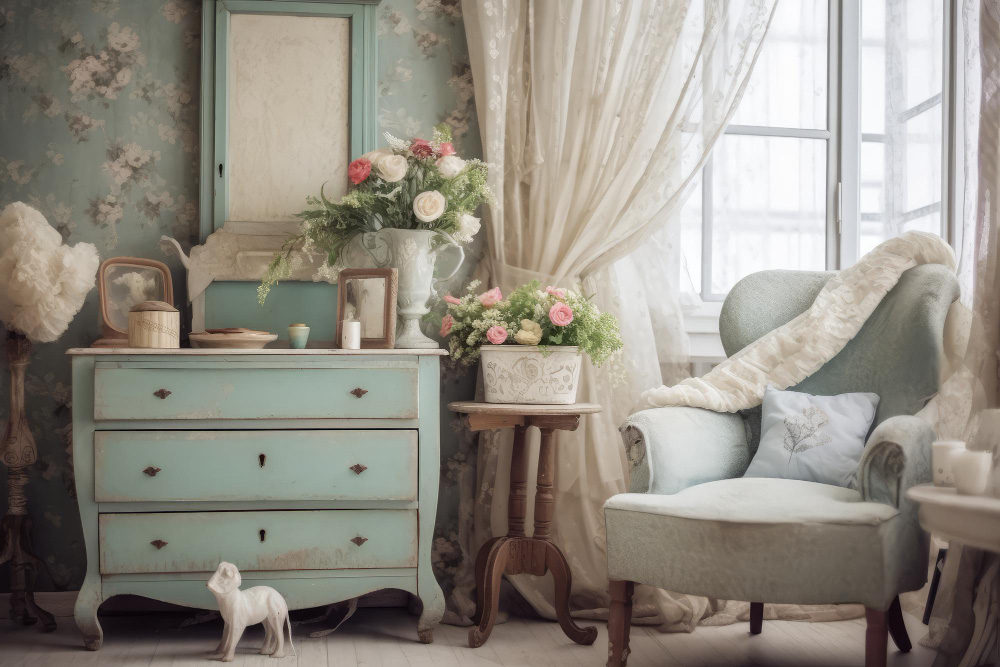
- Soft, Muted Colors: Shabby chic is characterized by a palette of soft, muted hues, such as white, cream, ivory, gray, blue, and green. These colors evoke a sense of serenity and elegance, perfectly complementing the vintage aesthetic.
- Distressed Finishes: A hallmark of shabby chic is the use of distressed finishes, which create a sense of timeworn elegance. Techniques like sanding, chipping, and antiquing are employed to reveal the layers of history embedded in the furniture, adding character and depth.
- Feminine Embellishments: Feminine touches are a defining element of shabby chic, adding a touch of charm and whimsy. Lace, ribbons, stencils, and hand-painted motifs often adorn shabby chic furniture, creating a soft and delicate ambiance.
The Timeless Appeal
Shabby chic’s enduring appeal lies in its ability to create a sense of warmth, comfort, and nostalgia. It evokes a sense of connection to the past, while also incorporating a touch of modern flair. Whether you’re seeking to create a romantic bedroom or a cozy living room, shabby chic offers a timeless and captivating style that never goes out of fashion.
Essential Tools and Materials
Gathering the Essentials
Embark on your shabby chic furniture makeover journey by gathering the essential tools and materials. These will equip you with the skills and supplies to transform your old furniture into cherished pieces that exude elegance and character.
Tools:
- Sandpaper: A variety of grits is recommended, from coarse to fine, to achieve a smooth and even surface for painting.
- Chalk Paint: This versatile paint is ideal for shabby chic projects due to its matte finish and ability to chip and distress easily.
- Paintbrushes: A range of brushes in various sizes will allow you to apply the paint with precision and versatility.
- Wax: Furniture wax is used to seal the painted surface and protect it from wear and tear.
- Sponges: Sponges can be used for applying paint in a textured or distressed manner.
- Rags: Rags are essential for wiping down surfaces, removing excess paint, and achieving a distressed finish.
Additional Materials:
- Primer: A primer is used to seal the surface and provide a better base for the paint.
- Protective Gear: Safety goggles, gloves, and a mask are recommended to protect yourself from dust and paint fumes.
- Furniture Wipes: Furniture wipes are used to clean and degloss surfaces before painting.
- Embellishments: Lace, ribbons, stencils, and hand-painted motifs can be used to add personal touches and enhance the shabby chic aesthetic.
With these essential tools and materials in hand, you’re ready to embark on your shabby chic furniture makeover adventure.
Preparing the Furniture
Stage the Transformation:
Before you can begin transforming your old furniture into a Shabby Chic masterpiece, it’s essential to properly prepare the surface. This initial stage involves cleaning, repairing, and stripping away any existing finishes to create a smooth and even canvas for painting.
Cleaning:
Start by thoroughly cleaning the furniture to remove dirt, dust, and any loose paint or varnish. Use a mild detergent and a soft cloth or sponge, gently scrubbing away any grime. For stubborn stains, you may need to use a more abrasive cleaner or a fine-grit sandpaper.
Repairing:
Inspect the furniture for any damage, such as scratches, dents, or cracks. Repair these imperfections using wood filler, spackle, or wood putty. Allow the repairs to dry completely before sanding them smooth.
Stripping Existing Finishes:
If the furniture has a glossy or shiny finish, consider stripping it away to create a more matte surface that will better adhere to the chalk paint. There are several methods for stripping finishes, including using chemical strippers, heat guns, or sanding.
Sanding:
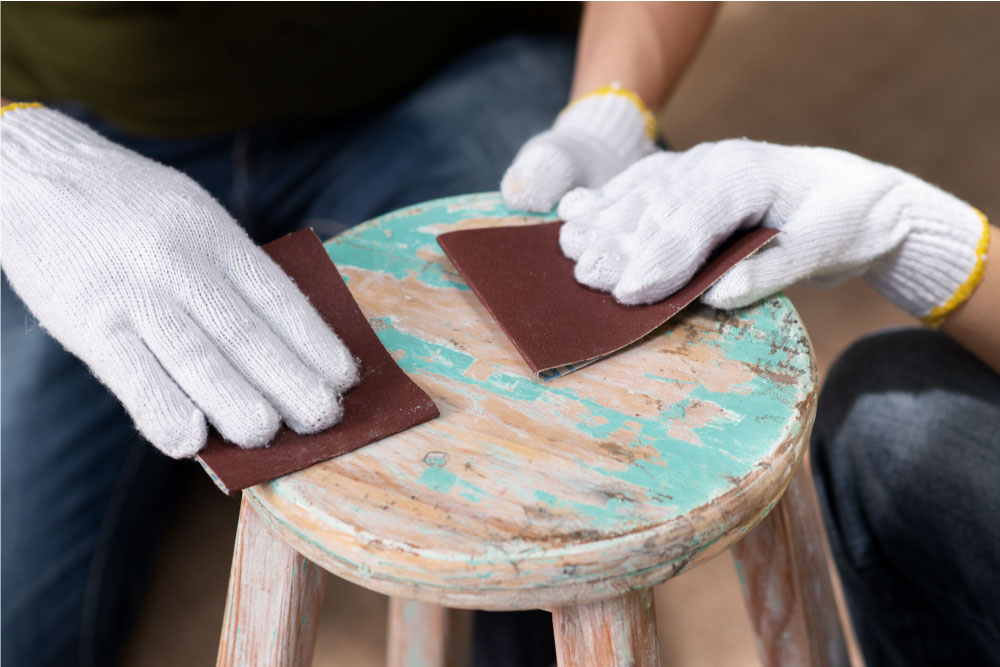
Sanding is crucial for achieving a smooth and even surface for painting. Start with a coarse-grit sandpaper to remove any remaining old finish and rough spots. Then, gradually progress to finer grits until you achieve a smooth and uniform finish.
Once the furniture has been thoroughly cleaned, repaired, and sanded, it’s ready for the next stage of your Shabby Chic makeover – painting.
Shabby Chic Painting
Choosing the Perfect Palette:
The foundation of a successful Shabby Chic makeover lies in the choice of paint colors. Shabby
Chic embraces a palette of soft, muted hues, often inspired by nature and vintage aesthetics. Here are some popular color choices for Shabby Chic projects:
- White: White is the quintessential color of Shabby Chic, symbolizing purity, elegance, and a sense of timelessness.
- Cream: Cream provides a warm and inviting touch, adding a touch of softness and sophistication to Shabby Chic furniture.
- Gray: Gray offers a versatile and sophisticated option for Shabby Chic, ranging from light and airy to dark and dramatic.
- Blue: Blue adds a touch of serenity and tranquility to Shabby Chic, with shades like pale blue, sky blue, and navy blue being popular choices.
- Green: Green evokes a sense of nature and freshness, with shades like sage green, mint green, and olive green being well-suited for Shabby Chic furniture.
The Art of Chalk Painting:
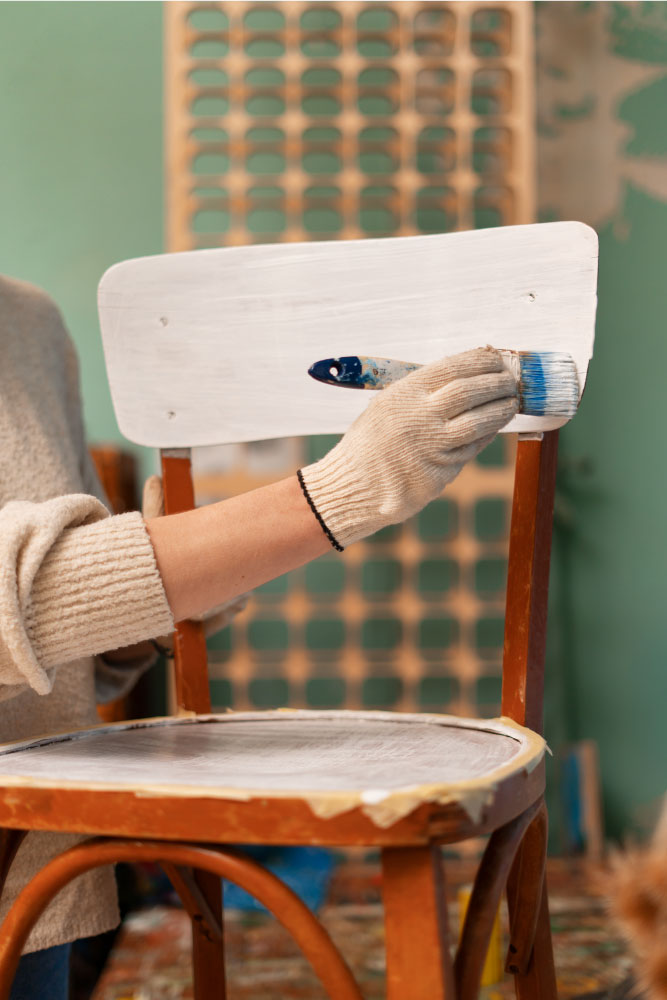
Chalk paint is the preferred choice for Shabby Chic projects due to its matte finish, ability to chip and distress easily, and versatility for creating various textures and effects. Here’s a step-by-step guide to applying chalk paint for a Shabby Chic makeover:
1. Prepare the Surface: Ensure the furniture is thoroughly cleaned, repaired, and sanded as described in the previous section. Allow the surface to dry completely before proceeding.
2. Tape off Unwanted Areas: Use painter’s tape to protect areas you don’t want to paint, such as hardware or intricate carvings.
3. Apply the Base Coat: Using a brush or roller, apply a thin coat of chalk paint, following the grain of the wood. Allow the first coat to dry completely before applying the next.
4. Blend and Layer Colors: To create a more visually appealing and distressed finish, you can blend and layer different colors of chalk paint. Use a damp sponge or brush to gently blend the edges between the colors.
5. Add Distressing Effects: The essence of Shabby Chic lies in its distressed and timeworn appearance. Use sandpaper or distressing tools like a wire brush or a rag dipped in paint thinner to chip away at the paint, revealing the layers beneath.
6. Apply Wax for Protection: Once the paint is completely dry, apply a layer of furniture wax to protect the surface and enhance the matte finish. Buff the wax to a smooth shine.
7. Personalize with Embellishments: Add a touch of personal style to your Shabby Chic furniture with decorations. Lace, ribbons, stencils, and hand-painted motifs can add a feminine touch and elevate the overall aesthetic.
Distressing for Character
Creating a Timeworn Look:
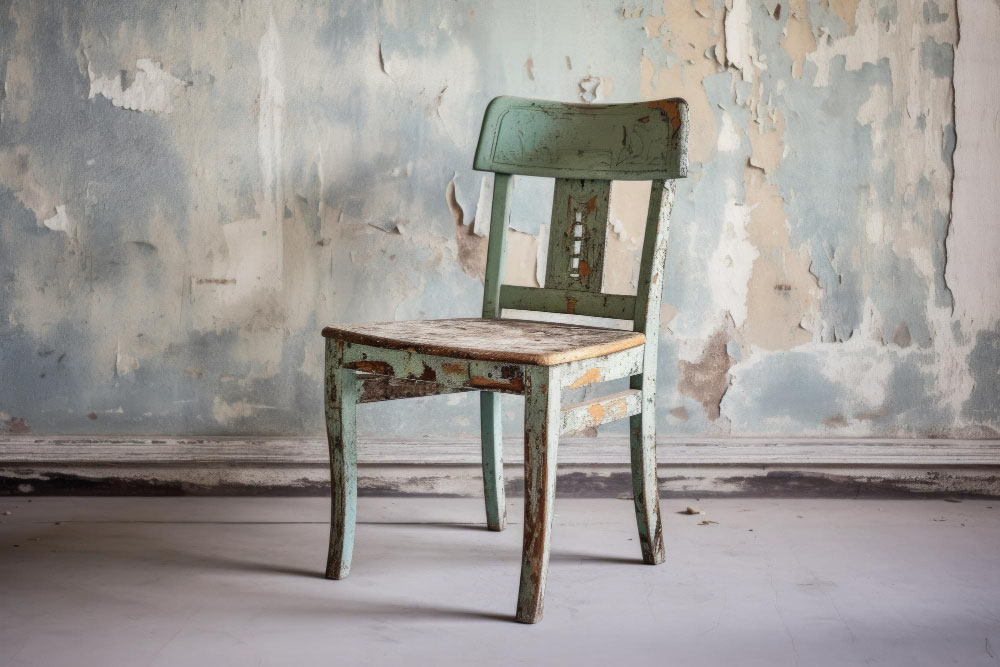
The heart of Shabby Chic lies in its ability to evoke a sense of timeworn elegance. Distressing is a key technique that contributes to this aesthetic by revealing the layers of history hidden beneath the paint. This technique involves intentionally chipping, scratching, or aging the painted surface to create a distressed and lived-in look.
Distressing Techniques:
There are various techniques for distressing furniture, each with its own unique effect. Some common methods include:
- Sanding: Use sandpaper of varying grits to gently remove paint in strategic areas, revealing the underlying wood or previous layers of paint.
- Chipping: Use a hammer or other blunt object to chip away at the paint, creating intentional imperfections.
- Distressing Tools: Specialized distressing tools, such as wire brushes or sanding sponges, can add more intricate and controlled distress marks.
- Chemical Distressing: Chemical strippers or paint removers can be used to selectively remove paint, creating dramatic distressed effects.
The Art of Intentional Imperfections:
Distressing is not about creating a haphazardly damaged piece; it’s about adding a touch of authenticity and character. The goal is to strike a balance between revealing the history of the furniture and maintaining its structural integrity.
Adding Embellishments
Personalizing the Piece:
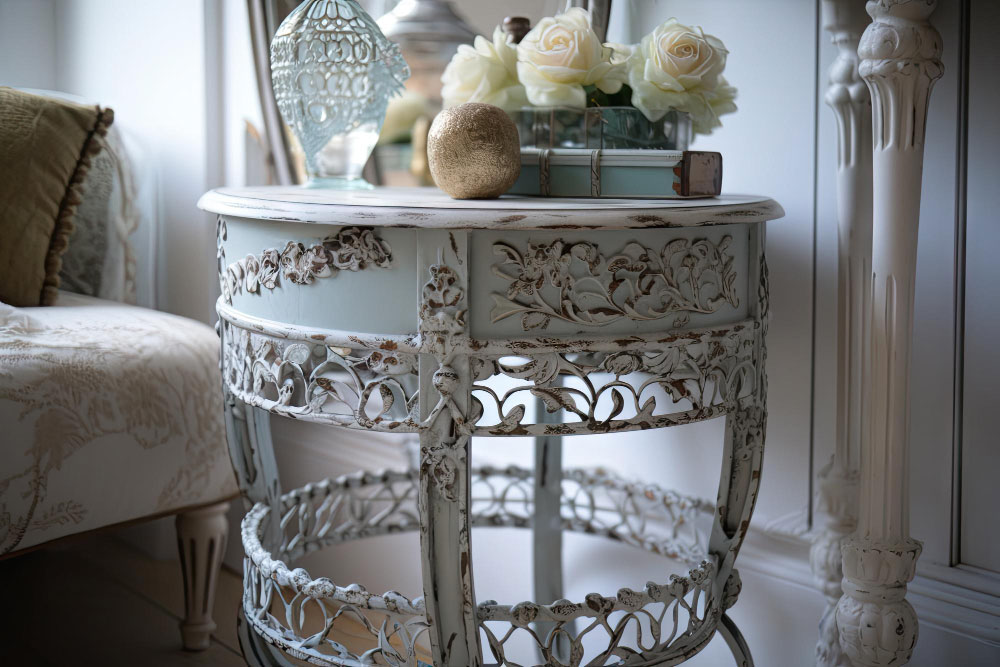
Shabby Chic is not just about painting and distressing; it’s also about personalizing the piece and adding your unique touch. Embellishments are a great way to elevate the Shabby Chic aesthetic and make your furniture truly distinctive.
Decorative Elements:
- Lace: Lace adds a touch of elegance and femininity to Shabby Chic furniture. Use lace inserts, edging, or doilies to create a romantic and charming ambiance.
- Ribbons: Ribbons can be used to add color, pattern, and texture to Shabby Chic pieces. Tie ribbons around handles, adorn drawers, or create decorative bows.
- Stencils: Stencils provide a versatile way to add intricate patterns and designs to your furniture. Stenciling can be used to create floral motifs, geometric patterns, or personalized messages.
- Hand-Painted Motifs: Hand-painted motifs add a touch of artistry and personalization to Shabby Chic furniture. Choose motifs that complement your décor style, such as florals, birds, or whimsical characters.
Embellish with Intention:
Embellishments should complement, not overwhelm, the overall Shabby Chic aesthetic. Use them sparingly and strategically to add a touch of personality without detracting from the vintage charm.
Protecting the Masterpiece
Sealing the Deal:
Once you’ve achieved your desired Shabby Chic look, it’s crucial to protect your masterpiece with a topcoat. This will seal the paint, enhance its durability, and prevent it from chipping or fading.
Furniture Wax or Sealant:
Furniture wax is a traditional and popular choice for Shabby Chic furniture. It provides a matte finish, protects against moisture, and enhances the distressed look. If you prefer a more modern look, you can use a sealant compatible with the paint used.
Applying the Topcoat:
Apply the topcoat with a brush or foam roller, following the grain of the wood. Allow it to dry completely before handling the furniture.
Regular Care:
Maintain your Shabby Chic furniture by dusting it regularly and using a furniture polish or sealant to keep it looking its best. By following these steps, your Shabby Chic pieces will continue to be cherished for years to come.
How to Make Shabby Chic Furniture: Conclusion
Shabby Chic is a timeless style that exudes elegance, charm, and a touch of nostalgia. By transforming ordinary furniture into Shabby Chic masterpieces, you can add a unique touch of character to your home décor. Whether you’re a seasoned DIY enthusiast or a novice hobbyist, the Shabby Chic makeover process can be a fun and rewarding experience. With a little creativity and patience, you can transform old furniture into cherished pieces that will reflect your personal style and add warmth and beauty to your living spaces.
Remember, Shabby Chic is all about embracing imperfections and creating a look that feels authentic and lived-in. As you embark on your Shabby Chic makeover journey, allow your creativity to flow and don’t be afraid to experiment with different techniques and embellishments. With a little bit of love and care, you can transform your ordinary furniture into extraordinary Shabby Chic pieces that will add a touch of vintage charm to your home for years to come.